
Fulton County Lookup Record Map
A resident lookup in Fulton County turns a lead into proof only when the record supports the exact fact. The assessor proves taxable ownership of a parcel. It says nothing about occupants. A voter roll places a person at an address only while the file was current, and unregistered or protected residents never appear in it at all. Court entries prove participation in a legal matter. They do not establish a current home, so use each record for the narrow fact it supports.
| Record | What It Confirms | Where to Search | Access |
|---|---|---|---|
| Assessor parcel | Owner, tax mailing address, and situs link | Fulton Board of Assessors | Free current and selected history |
| Deed index | Named party, transfer, and legal parcel | GSCCCA or Clerk records room | Account or courthouse access |
| Voter record | Registered address, status, districts, birth year | My Voter Page or ordered voter file | Self-lookup or paid file |
| Court docket | Party role, case type, filing, and events | Fulton courts and Georgia E-Access | Web provider or clerk counter |
| Vital record | Birth, death, marriage, or divorce event | Georgia DPH and Fulton custodians | Eligibility rules apply |
| Business or license | Credential, entity role, or public office address | Georgia Secretary of State | Free index |
| Probate file | Decedent, estate, petitioner, and public heir filings | Fulton Probate Court | Portal, counter, or copy request |
Start where the fact already lives. When an owner or parcel is known, search the Fulton assessor first. The state voter portal serves individuals checking their own registration. Estate and deceased-relative questions belong with Probate Court. Historical household work belongs with old directories and census records rather than any present-day roll.
Separate Fulton County Name Matches
Fulton County holds over a million residents. A first and last name alone proves very little. Strengthen the match with a middle initial, a suffix, a birth year, a spouse, a business tie, a precise date, or a specific Fulton neighborhood. Atlanta street directions matter. NE, NW, SE, and SW can point to entirely different blocks, and a missing apartment or condominium unit number can point to the wrong door. Registered-agent addresses deserve special care, since one law office may serve many unrelated entities.
Search with less text first. Filter down from there. Try hyphens, maiden and married surnames, initials, suffixes, and common spelling variants as you narrow the results. Old printed directories carry optical-character-recognition errors, so inspect the neighboring alphabetical entries, and never merge two people just because a name and city match.
Two-source rule. Confirm a Fulton County identity with at least two independent attributes and two official sources before relying on the match.
Search Fulton County Court Parties
Fulton court records live in separate systems. Six court levels split them. Superior, State, Magistrate, Probate, Juvenile, and municipal courts each keep their own files, so pick the court and location before interpreting a match, and prefer an exact case number over a broad name search. The Georgia Courts E-Access gateway identifies participating systems, though the provider may require an account.
| Search field | How to use it |
|---|---|
| Smart Search | Enter a case number, party, business, or attorney. |
| Name | Use last, first, and middle fields; broaden only when needed. |
| Case and party type | Limit by civil, criminal, family, petitioner, or respondent role. |
| Court and dates | Select the Fulton court and a filing-date range. |
A public result may show case number, style, location, filing date, status, party roles, attorneys, hearings, and docket events. Sealed files stay out of view. Adoptions and most juvenile material do too. Protected records never appear in public results. When an event shows no online image, ask the appropriate clerk for the docket sheet and the named filing. The Fulton Clerk records site is the official starting point for local files.
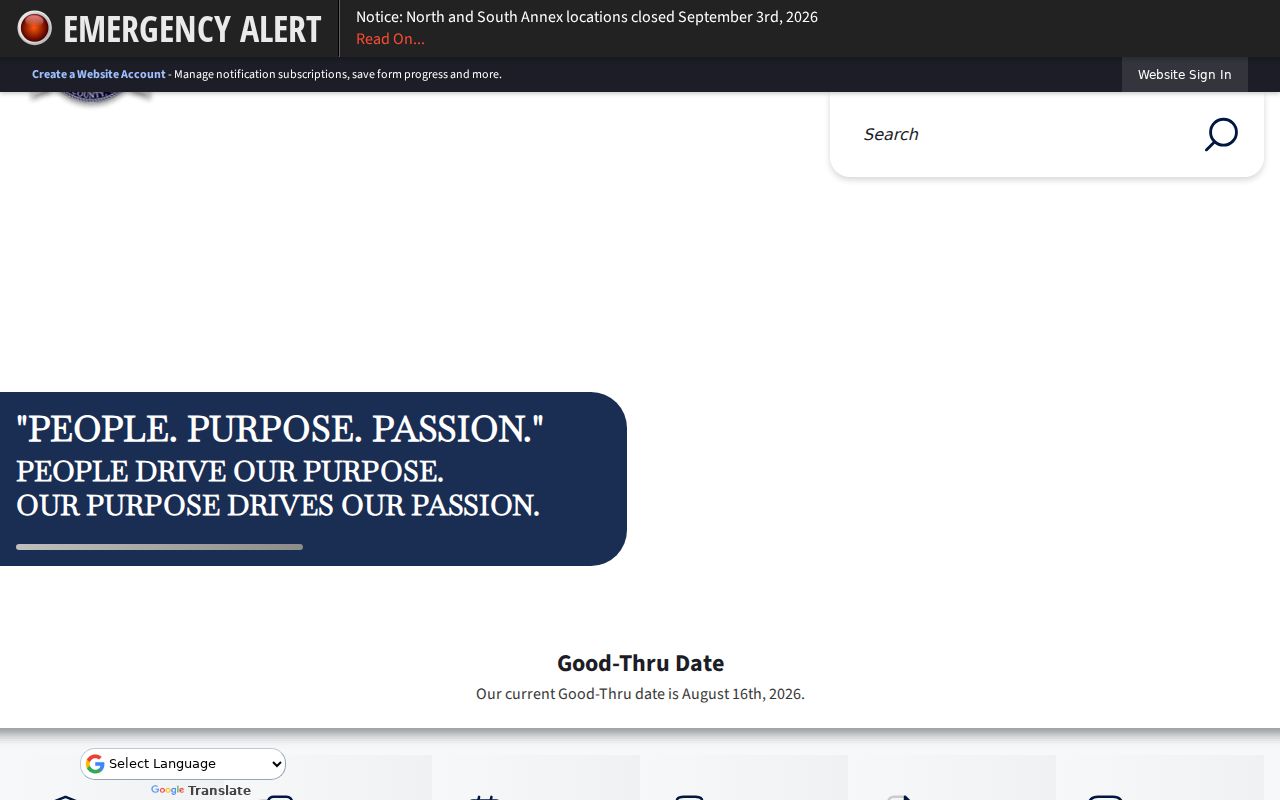
The Clerk site maps each court division before a visit.
Verify a Fulton County Resident
Anchor the name first. A careful Fulton County resident lookup ties a name to a dated place and then tests that link somewhere else. Parcel IDs and legal descriptions beat loose street strings. A tax card carries two addresses. The mailing address shows where the owner receives correspondence, the situs address marks the taxable property, and neither proves who sleeps there.
- Anchor the name to a Fulton parcel or a lawful voter record. Save the source date, parcel, and exact address.
- Search the proper Fulton court for the name and variants. Compare role, filing date, case type, and case number.
- Test the match against a deed, probate filing, business record, license, or eligible vital record. Look for two independent attributes.
- Request the underlying file or certified copy from its custodian when the distinction matters. An index entry is not the document itself.
- Docket
- The court's chronological list of filings, hearings, orders, and other case events.
- Index versus image
- An index points to a record. An image shows the filed document and may require an account, fee, or clerk request.
- Certified copy
- A copy authenticated by the custodian for uses that require official proof.
Note: A recent filing address may belong to counsel, reflect service of process, or simply be stale, so weigh it against a second dated record.
Confirm Fulton Heirs Through Probate
Estate questions begin in Probate Court. Search the estate through Fulton Probate Court, where a case can identify the decedent, the petitioner, estate events, and public filings that concern heirs. Ask by exact case number. Wills, petitions, inventories, and notices are all retrievable when the file is public. Addresses need care. Treat each address as a contact point from the filing date, not proof of present residence, and let the official Probate Court page route requests for estates, wills, guardianships, and marriage licenses.
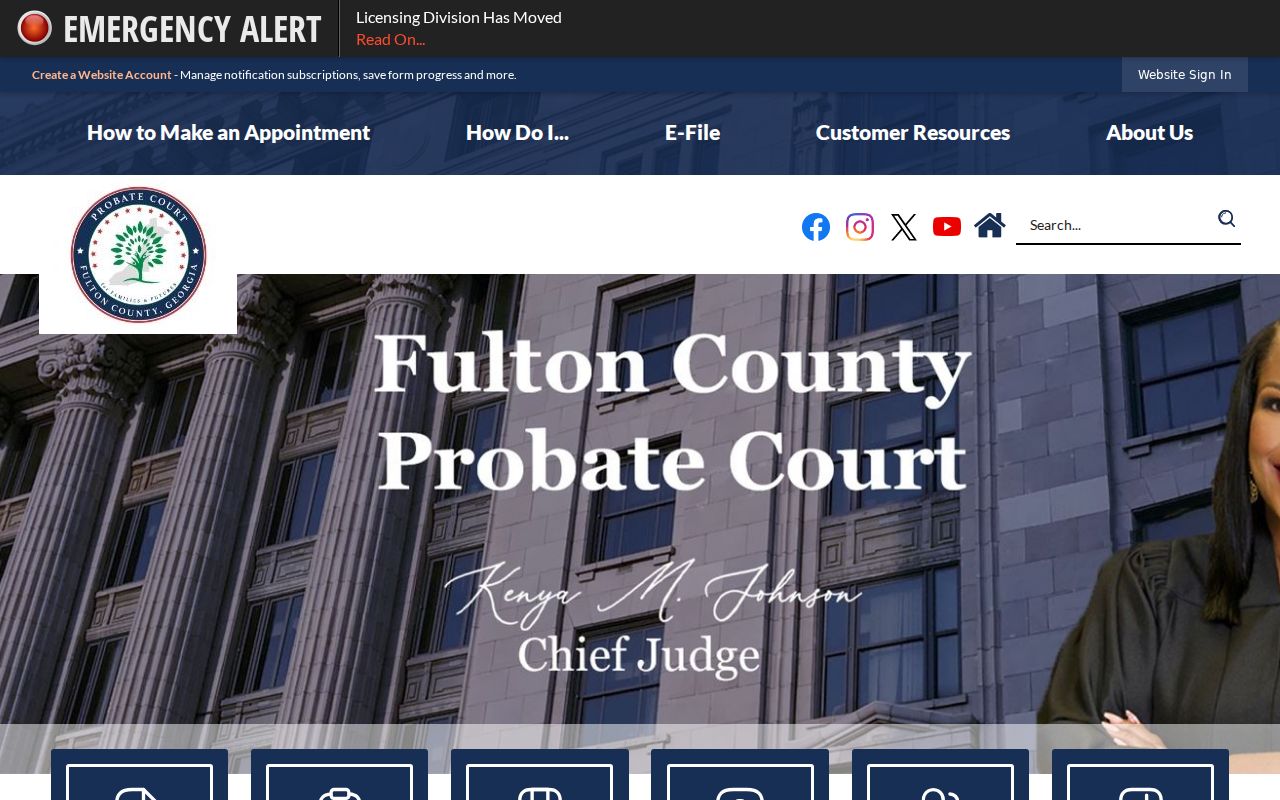
A resident lookup often moves from a name index to a full estate file. The Probate page names that custodian.
Fulton Resident Vital Record Checks
Vital records are certificates, not a resident directory. The State Office of Vital Records and the Fulton County Board of Health issue qualifying birth and death records. State holdings begin in January 1919. Birth access requires a direct and tangible interest under O.C.G.A. §31-10-26. Death certificates go to eligible relatives and tangible-interest parties. Anyone may request a plain-paper death copy with the Social Security number redacted.
Marriage records split by date. Georgia DPH holds applications and certificates from June 1952 through August 1996, and it provides verifications from January 1, 2014. Fulton Probate Court keeps the other local marriage years. Divorce decrees come from Superior Court. A DPH verification is not the decree itself.
Andee's Law took effect July 1, 2025. It allows an adult Georgia-born adoptee to seek an uncertified original pre-adoption birth certificate, and qualifying direct descendants may apply if the adoptee has died and the required proof is submitted. This is a formal, lawful route for birth-parent research, not a general name search.
Confirm Fulton Business Affiliations
Georgia keeps two useful lookup tools. The Georgia Corporations Division search ties a name to an entity's control number, status, principal office, registered agent, and filing history. The professional license verification search returns profession, license type, name, number, status, and public board details. Spelling uncertain? Enter fewer fields, and try a trailing wildcard in the license search.
Treat a business or board address as an affiliation clue rather than a home address. When a corporation's legal name differs from its trade name, cross-check a Fulton trade-name filing or local license to confirm the entity. An expired credential is not the same thing as discipline.
Georgia's Unclaimed Property Program offers one more name-and-location lead for a residents directory search.
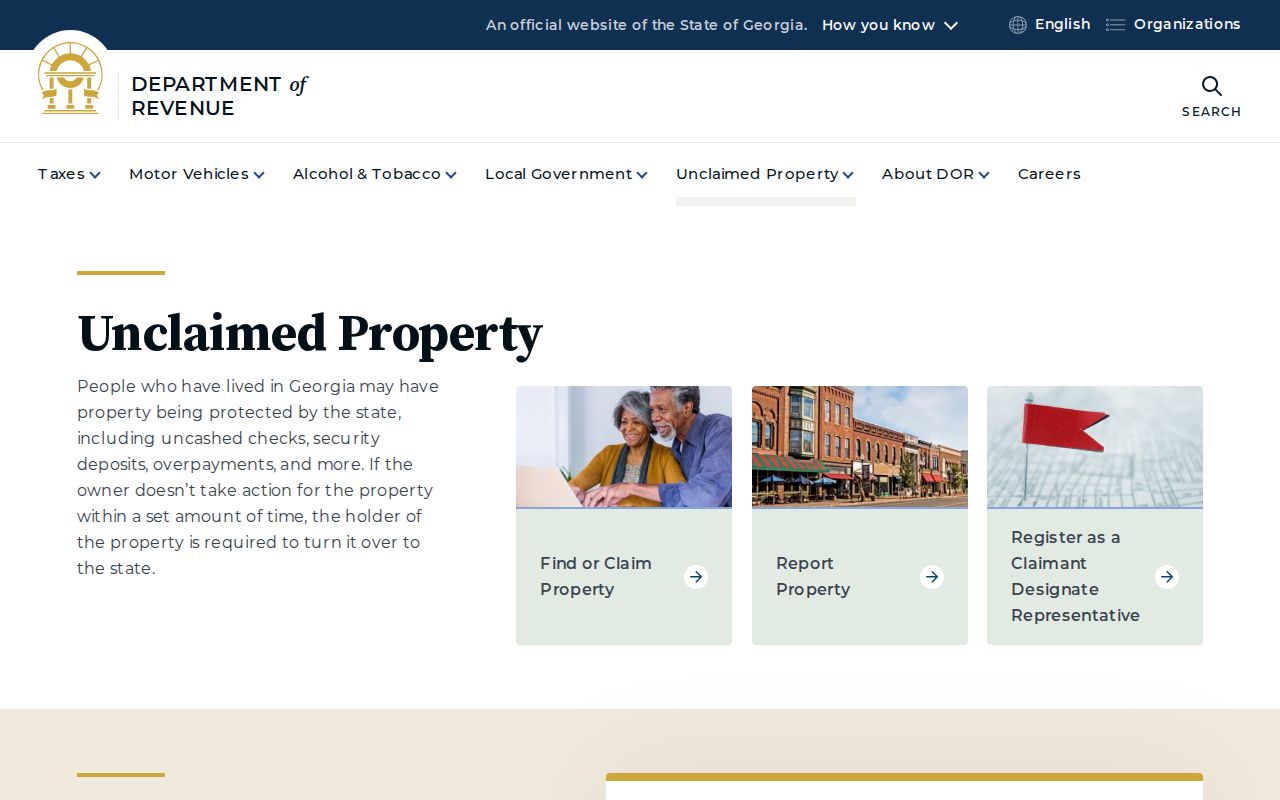
A listing can show that property was reported under a name and place. It does not establish a current Fulton County address. Treat it as a lead, not proof of where someone lives today.
When Fulton Lookup Portals Stop
Online portals are not the only route. A clerk counter or public terminal often offers fuller docket navigation than any provider screen. Older deeds may sit in the Deeds and Records Room or at the Georgia Archives. Restricted vital records have their own requirements. You will need the current form, identification, proof of relationship, and payment. For a record held by a county department, the Fulton open-records portal lets you submit, track, download, and message the county about a request.
The Georgia Open Records Act, O.C.G.A. §50-18-70 et seq., generally requires production or a written timetable within three business days. Describe an existing record clearly. Name the department, the person or address, the record type, and the date range. One limit matters here. The Act does not obligate an office to create a list or report that does not already exist.
Corrections belong with the custodian of the record. Assessor procedures handle parcel facts. Elections handles voter registration. The clerk's process covers court material, DPH amendment forms cover vital records, and license data goes to the appropriate state board.
Check Fulton Official Safety Records
Custody and registry searches answer narrow public-safety questions. They are not resident rolls. A Georgia Department of Corrections query covers people sentenced to state custody. A Fulton jail inquiry covers local bookings instead. Keep the distinction sharp. A booking establishes no guilt. Only the proper court docket shows how a charge ended. For broader resident lookup work, these sources supplement a county records search. They do not replace it.
The Georgia Corrections Offender Query is the official state search.
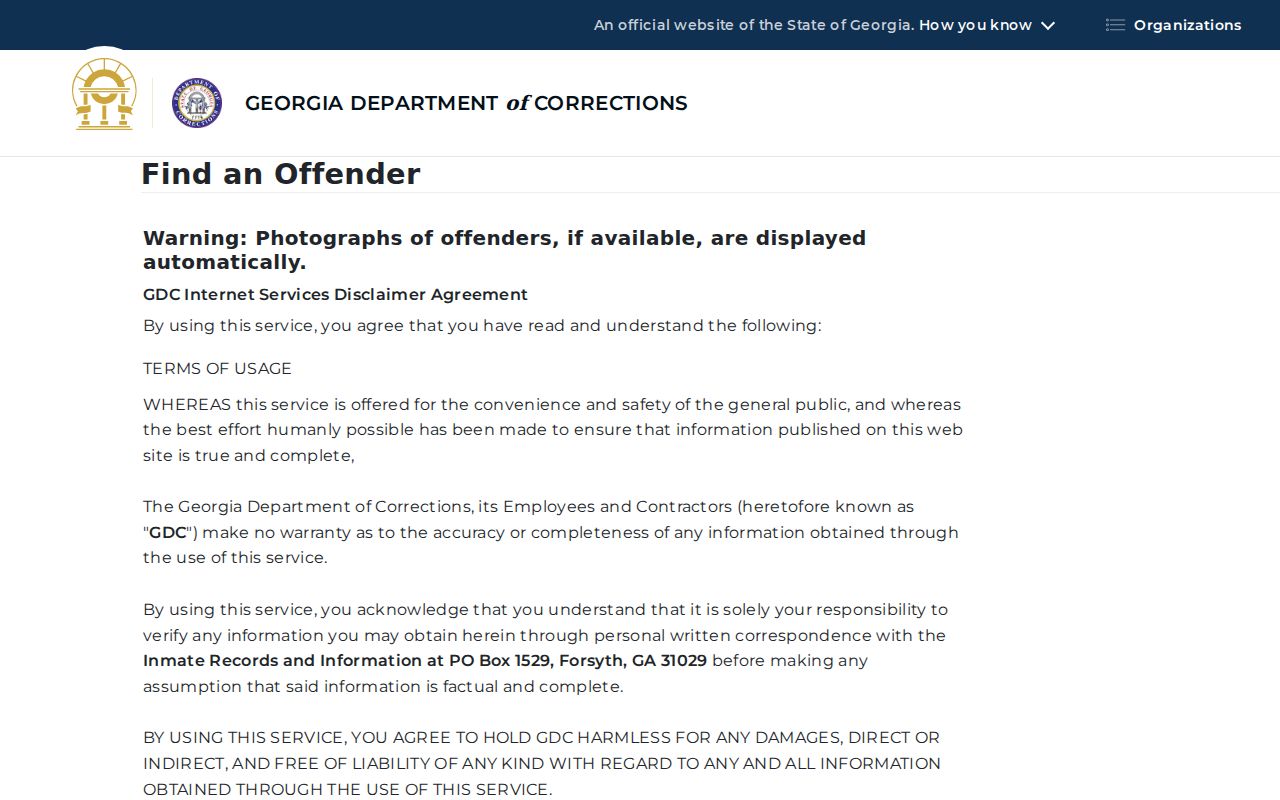
Read the query results with care. It separates state custody from Fulton County jail records, and the listed status and dates give the meaning behind a name. For registry questions, the Georgia Bureau of Investigation registry is the official statewide source and posts its own use warnings.
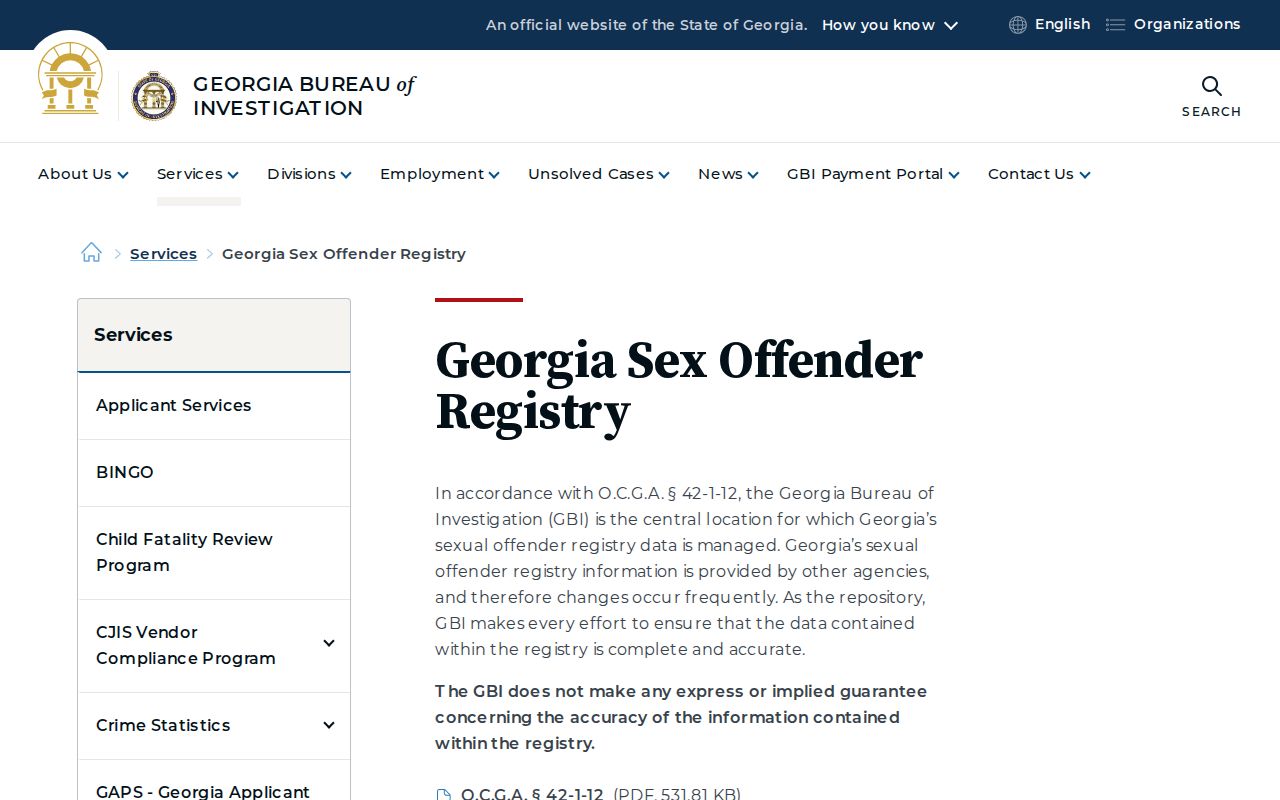
This registry exists for public safety alone. A listing must never be used to threaten, intimidate, or harass the person named in it.
Fulton Resident Lookup Privacy Limits
A lawful record is not always a complete one. VoteSafe shields the residence addresses of qualifying voters. Georgia's Address Confidentiality Program, under O.C.G.A. §§50-18-150 through 50-18-159, helps too. It gives an eligible victim a substitute address and a mail agent instead. Voter files also leave out full birth dates. Social Security numbers, driver-license numbers, phone numbers, and ballot choices are withheld as well. Sealed court files, protected identifiers, juvenile matters, and restricted vital certificates sit outside ordinary public access too.
Commercial profiles tell a different story. They can go stale. They can blend two people who share a name. They even guess at relatives without ever showing a source record. Suppressing a profile there does not erase the lawful source behind it. The deed, voter record, or other file still stands. Ask the office that keeps the underlying file for an official correction or redaction.
Lawful use. Use a Fulton County resident lookup only for lawful personal research. Public access never permits stalking, harassment, threats, or intimidation.