
Fulton Previous Residents by Era
No single roll names everyone who occupied a Fulton home. The current parcel card supplies the durable parcel ID, legal description, current owner, and deed reference. Recorded deeds then establish ownership, while directory and census sources recover many occupants. The best first source depends on the date and whether the goal is an owner, a household, or the building itself.
| Source | Years It Covers | Where Held | What It Shows |
|---|---|---|---|
| Assessor and GIS | Current, with selected sales history | Fulton assessor and GIS | Parcel, owner, situs, mailing address, structure, and map |
| Recorded deed index | Modern index online; older books from county formation | GSCCCA, Clerk, and Georgia Archives | Owners, transfer dates, and legal descriptions |
| Atlanta city directories | 1859-60 and 1867-1991 | Central Library Special Collections | Named occupants, work, and address |
| Suburban and Haines directories | 1953-1986 and 1946-2016/17 | Central Library Special Collections | Suburban households and address-first entries |
| Federal census | 1820-1880 and 1900-1950 public | NARA, library, and genealogy databases | Household, relationships, work, and tenure |
| Sanborn and permit records | Verified 1899 map set; permits vary by city | Library of Congress and local permit offices | Building footprint, use, and alteration dates |
For a recent transfer, begin with the Fulton County Board of Assessors Property Search. For a mid-century occupant, an address-first Haines volume may be faster. An older Atlanta home may require an alphabetical directory, a census schedule, and a Sanborn sheet before its address can be tied to the modern parcel.
Start Fulton Address History Today
Enter the situs address, which is the address of the taxable land, in the assessor search. Save the parcel ID exactly as shown. Also copy the standardized address, owner, tax mailing address, legal description, deed book and page, sale date, year built, and any homestead indicator. A matching situs and mailing address may support owner occupancy, but it never proves who else lived there.
Open the same lot in the Fulton County Property Map Viewer. Parcel boundaries help distinguish adjoining homes, split lots, assembled parcels, and condominium units. In dense Atlanta property, the unit, condominium plat, and floor-plan identifiers can matter more than the street number alone.
Note: Preserve the parcel ID and legal description before following names, since names and postal addresses change more often than land records.
Walk Fulton Deeds Backward
The GSCCCA Real Estate search indexes Fulton instruments by county, party, role, instrument type, date, book and page, and instrument number. A chain of title is the linked sequence of transfers for the same land. Work from a known current deed toward earlier deeds, checking the legal description at every step.
- Pull the current owner, parcel, legal description, and deed citation from the assessor card.
- Find that purchase deed and identify its seller, who appears as grantor.
- Search that seller as an earlier grantee, ending the date range before the current sale.
- Compare legal descriptions and prior-deed recitals, then repeat with name variants or entity names.
- When web images or indexes stop, take the citation to the Deeds and Records Room or Georgia Archives.
- Grantor and grantee
- The grantor transfers an interest; the grantee receives it.
- Chain of title
- The linked sequence of recorded transfers for the same property.
- Legal description
- The land-based description using lot, block, land lot, district, plat, or boundaries. It survives many street changes.
The official instructions do not state one reliable Fulton online cutoff. Do not guess. Full index or image access may also depend on a GSCCCA account. The Clerk's plats and land records page identifies the courthouse fallback at 136 Pryor Street SW, where older deed books and record-room help can carry the search farther.
Fulton Deed Records Beyond Online
The online index is a finding aid, not the whole file. A deed image can contain the exact legal description and a recital that points to the prior book and page. Plats show lot lines and easements. Condominium floor plans can separate units that share one street address. Older books may require courthouse or archive access.
The official Fulton land-records page shows the Clerk channel used when GSCCCA does not supply the needed image.
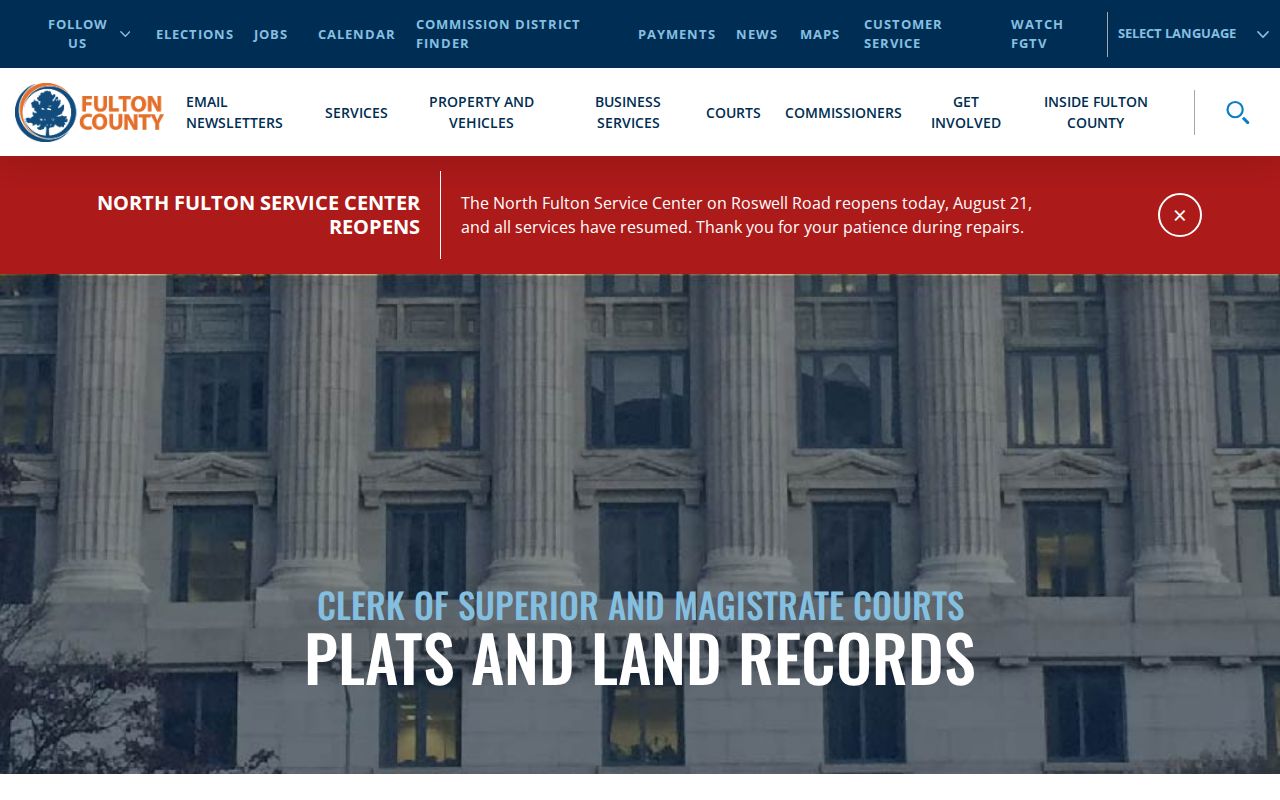
This fallback prevents an artificial gap in the chain. Bring the parcel ID, party names, date range, and every book-and-page citation already found.
Fulton Previous Residents in Directories
Deeds identify owners, not all occupants. The Central Library Special Collections directory shelf adds three distinct runs: Atlanta volumes from 1859-60 and 1867 through 1991, suburban volumes from 1953 through 1986, and Haines Criss-Cross volumes from 1946 through 2016-17. The Haines series works especially well when the address is known but the name is not.
Search adjacent years. A name that vanishes may signal a move, death, omission, or changed address. Compare nearby house numbers in street sequence. The full collection and its entry conventions belong to the Fulton city directory page; for address history, record only the year, page, exact entry, and neighbors needed to support the trail.
The span from early Atlanta books through late Haines volumes creates a resident-directory continuum of more than a century and a half. It is unusually useful, yet older directories can omit renters, women listed under a spouse convention, Black residents affected by segregation, and anyone who declined or missed canvassing.
Pair Fulton Directories With Census
A directory gives a yearly address clue. A census can give the household. Pairing them helps identify spouses, children, relatives, boarders, work, and tenure without assuming the deed owner was the only resident.
- Choose the directory year closest to a public census year and copy the exact spelling and street form.
- Search the census by name, then use enumeration place and nearby households to confirm the match.
- Compare directory entries on both sides of the census year to test whether the household stayed.
- When the address differs, inspect street-name guides, neighbors, plats, and Sanborn sheets before concluding that the family moved.
Central Library lists Georgia census microfilm for 1820-1880 and 1900-1930. Federal schedules are public through 1950. The destroyed 1890 population census leaves a major gap, so the 1880 and 1900 schedules should be bridged with directory, tax, deed, and newspaper evidence.
Map Fulton Homes in 1899
The digitized 1899 Atlanta Sanborn atlas contains 126 fire-insurance sheets. Each sheet can preserve a building footprint, construction material, use, and the street number then in force. It does not name every person, but it tests whether a building existed when a directory placed someone at that spot.
Use the atlas index, then compare the nearest directory year. A structure-to-street match is strongest when the sheet, entry, deed description, and present parcel align. That combination also helps separate a renumbering from demolition and new construction.
Note: A Sanborn outline dates the mapped structure and use, not the identity of every person who occupied it.
Older Fulton County Names Matter
Fulton County was created from DeKalb County in 1853. Milton County and Campbell County merged into Fulton in 1932. A north Fulton deed or family may therefore sit under Milton County catalog terms before the merger, while a south Fulton trail may shift to Campbell County. Earlier Fulton research can also require DeKalb records.
Atlanta annexations add a second custody problem. A postal address does not prove which city held a permit or code file, and an Atlanta mailing name can point outside the city or county. Confirm today’s parcel jurisdiction first, then search the jurisdiction that created the older record. This is a catalog switch, not proof that previous residents disappeared.
Close Fulton Resident Trails
Permit records can date additions, demolition, repairs, and applicants. Atlanta's modern permit search accepts street number and name, parcel number, dates, city or ZIP, and record type. Other Fulton cities keep their own systems, while older paper files may require a request. A permit dates work, not occupancy.
When a directory entry ends, probate, obituaries, cemetery records, and newspapers can explain what happened next. Probate may name heirs. An obituary may connect survivors and later places, but it should be checked against the estate file, cemetery record, or death record.
The Georgia DPH death-record page explains access to death certificates and public plain-paper copies with the Social Security number redacted.
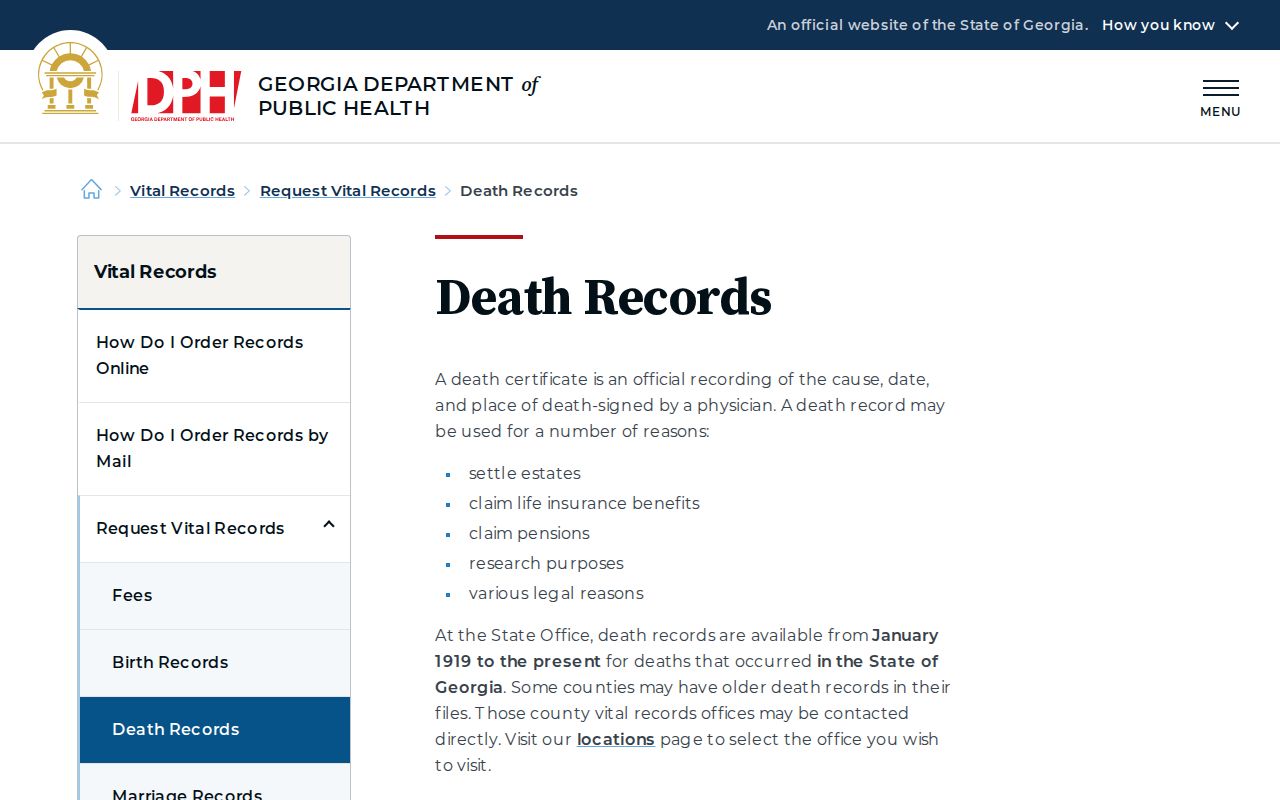
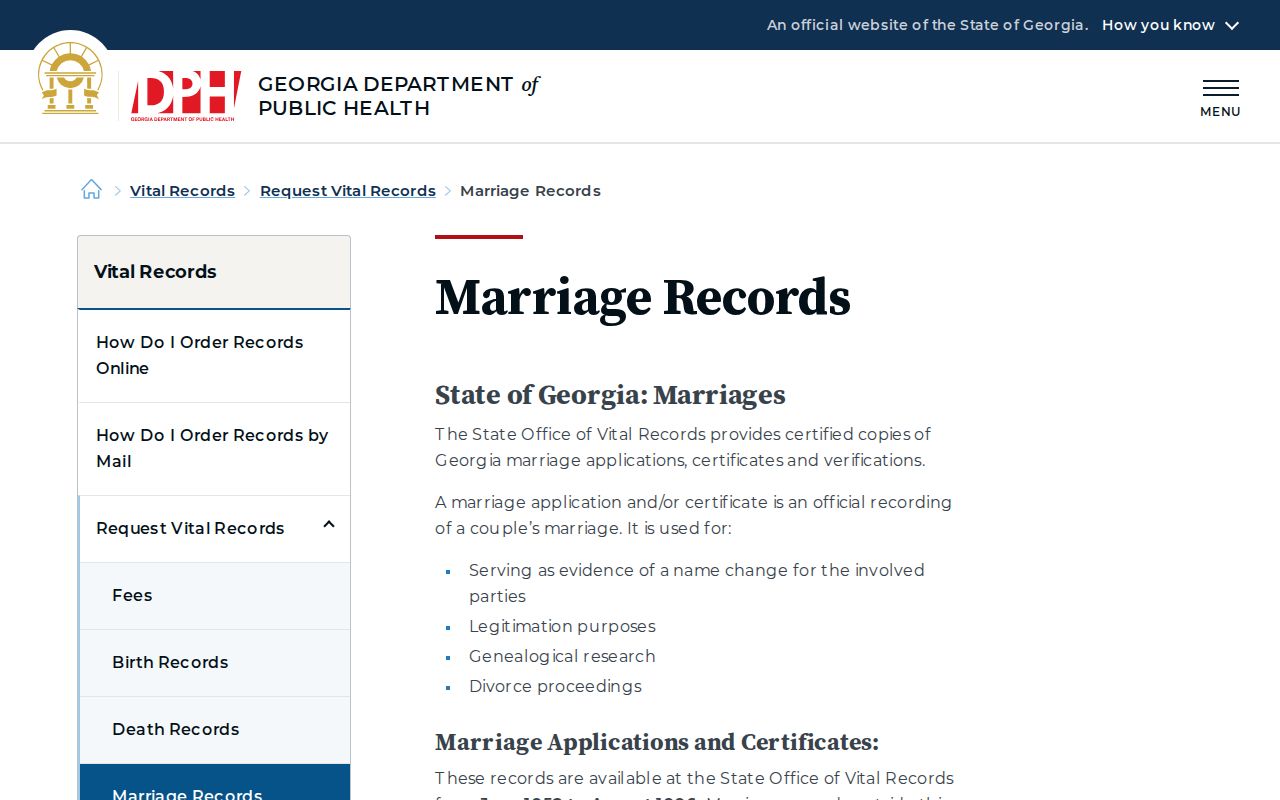
A spouse name or changed surname may lead to the Georgia marriage-record channel, while Fulton Probate Court keeps years outside the state windows.
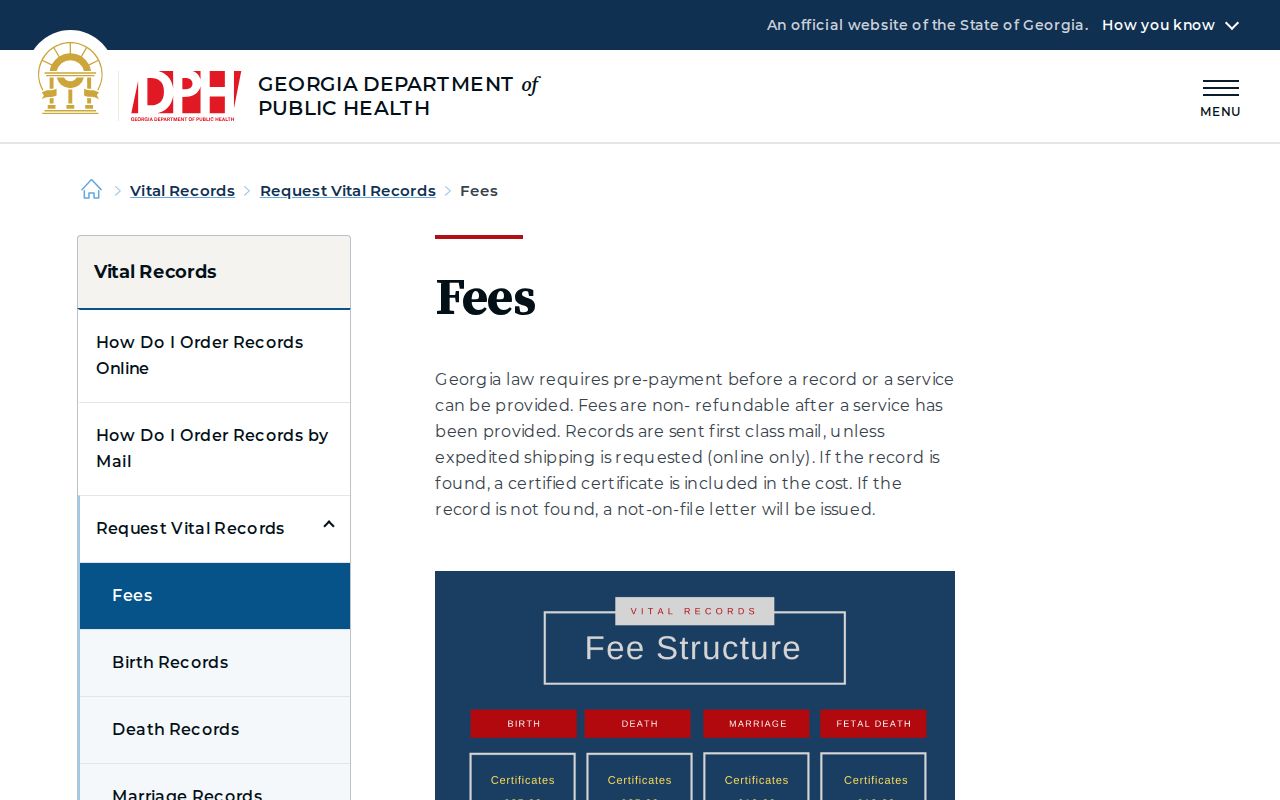
Before ordering, check the current Georgia vital-record fee schedule.
Georgia's state death holdings begin in January 1919. Earlier facts call for county registers, churches, cemeteries, newspapers, and archives.
Judge Fulton Household Evidence
Ownership, occupancy, and household membership are different claims. A deed proves a recorded transfer. An assessor card identifies the taxed owner. A directory can name a listed occupant, and a census can describe a household on its enumeration date. None should be stretched beyond what it says. Agreement across several sources is stronger than one search result.
Keep a research log with source title, year, page or instrument, name as printed, address as printed, and access date. Mark conflicts instead of smoothing them over. Initials, nicknames, reused family names, estates, corporate owners, and law-office mailing addresses can all create false links.
Lawful use. Research previous residents for house history, family history, heirs, or personal curiosity. Never use an address trail to watch, harass, intimidate, or harm a living person.