
Finding Fulton County Residents
Start from the shape of the fact you need, not from a broad name search. An address belongs in the Fulton Board of Assessors search and Property Map Viewer. A name can be tested against owner records, recorded instruments, court dockets, corporations, professional licenses, and voter information where access rules permit. An old address is different. The Central Library's printed and reverse directories cover those. Every source captures a different group of people. Agreement between two independent records is far stronger evidence than one loose match.
Official rolls leave real gaps. A deed names owners, not occupants. A voter file omits children, nonvoters, and protected addresses, and a directory may miss boarders or reduce a name to initials. Treat each hit as evidence tied to a date, a role, and a place.
- Check the county property roll by owner name, street address, or parcel number.
- Use Georgia My Voter Page only for an authorized personal registration check.
- Search the real-estate index for deeds, liens, and precise book and page references.
- Consult city and criss-cross directories when the question concerns past occupants.
- Ask the correct custodian for an existing record when the online trail ends.
Fulton County Records Custodians
Fulton splits resident evidence across several offices. The Clerk's Real Estate Division records deeds, liens, plats, trade names, and related instruments. Parcel cards sit with the Board of Assessors, while the Tax Commissioner handles bills and payment status. Elections records flow through county and state election offices. Court records split again. Superior, Magistrate, State, and Probate each keep separate systems, and the detailed address workflow belongs in the Fulton County street directory, while the cards below mark the main starting desks.
Fulton County Real Estate Division
136 Pryor Street SW, Ground Floor
Atlanta, GA 30303
404-613-5313
Fulton County Board of Assessors
Property and appraisal records
Online search and county counter access
Fulton Parcel Records Explained
The assessor's card separates two addresses. The situs address marks where the taxable land sits. The mailing address is where the owner gets mail. A matching situs and mailing address plus a homestead indicator can support owner occupancy, though it still does not name a whole household. Different addresses may point to an absentee owner, an estate, a company, or just a chosen mail drop.
The Fulton property search accepts an owner name, location address, parcel number, and sometimes legal-description criteria. Its report may show the parcel ID, neighborhood or land lot, values, sale history, building facts, and a deed book and page. Those deed references lead to the recorded document itself.
| Search field | Best use | Search note |
|---|---|---|
| Owner name | Find parcels tied to a person or entity | Use fewer letters for spelling variants |
| Location address | Resolve one property | Try normalized street suffixes |
| Parcel number | Reach an exact tax card | Safest match across systems |
| Legal description | Match land when street labels change | Available in advanced views |
Fulton Deeds Link Names
Georgia's statewide clerk system is the main index for Fulton deeds. A grantor gives or sells an interest. A grantee receives it. Search both roles and restrict the county to Fulton. Then compare legal descriptions before treating two entries as the same parcel. Book and page or instrument number is the reliable anchor.
The GSCCCA real-estate search reports parties and instrument type. It also gives filing date, book and page, and instrument number. Full images may depend on account access. The Deeds and Records Room is the fallback. Use it when an image is gated or an older book is missing online.
The official GSCCCA index page displays those Fulton filings.
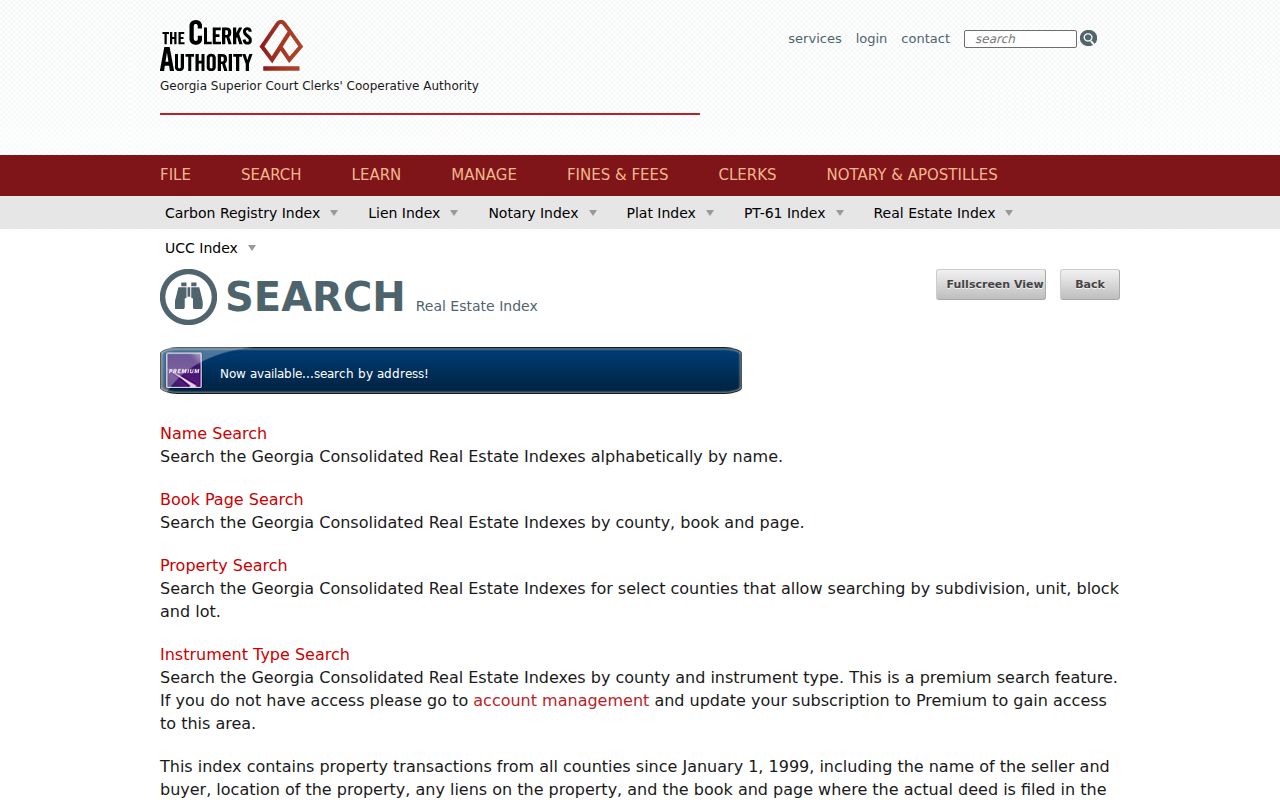
County, party-role, instrument, and date filters do the narrowing.
Fulton Court Names Need Context
A court hit names a party, not a residence. Fulton Superior Court handles felonies, divorce, equity, and general civil matters. State, Magistrate, Probate, Juvenile, and municipal courts stay separate. Compare the court, case number, party role, filing date, case type, and disposition before drawing any conclusion. Matching names alone prove nothing.
The Georgia Courts E-Access gateway points to participating systems and notes that its provider may require an account. Local counters still provide files and copies. Sealed, juvenile, and protected data never appear in a public result.
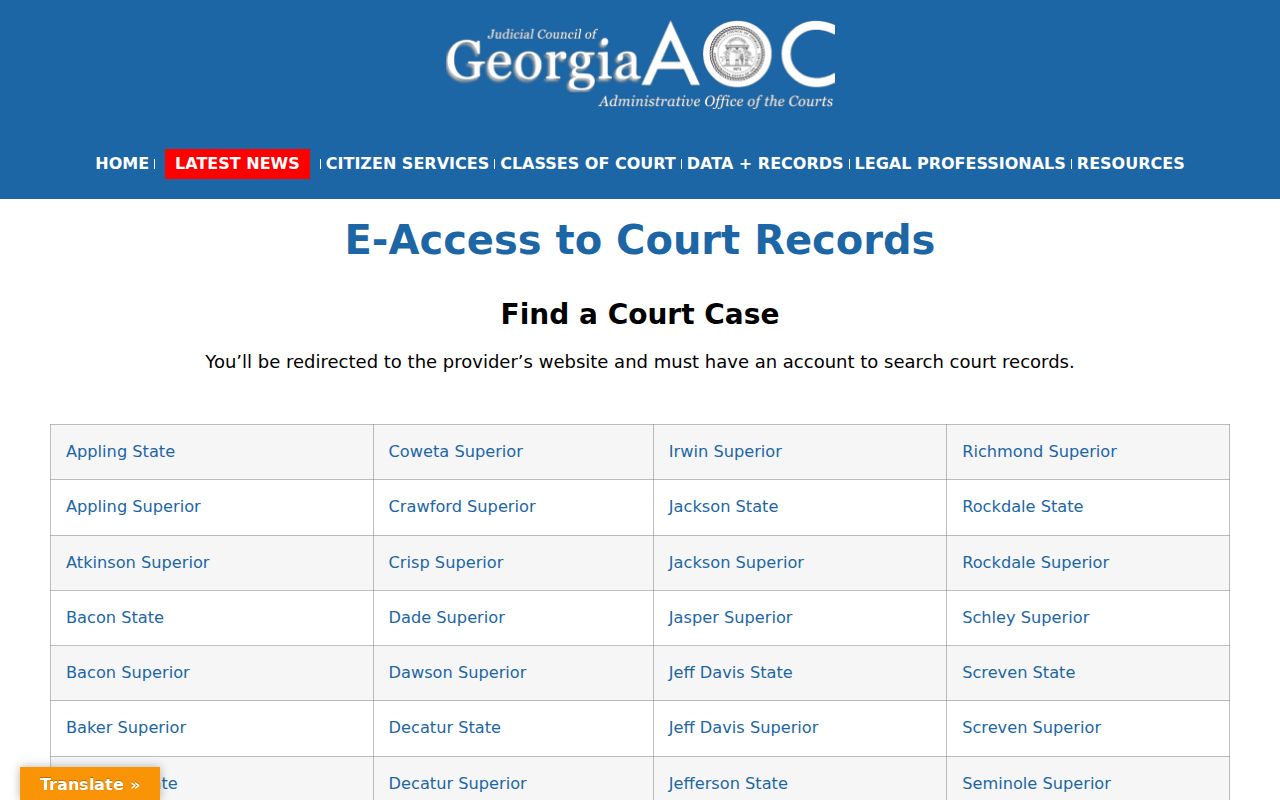
The gateway helps you orient yourself, but a court name alone is not enough. Keep the case number handy so any Fulton County request goes through without delay.
Current Fulton County Resident Rolls
No single source lists all Fulton County residents. The property roll covers owners, and deeds cover named parties to land instruments. Voter data covers registered voters within statutory limits. Staff directories document public roles, and neighborhood contacts identify civic representatives and groups rather than any private roster of everyone nearby.
| Source | Who It Lists | Keeper | Access |
|---|---|---|---|
| Property roll | Owners and tax mailing contacts | Board of Assessors | Free portal and counter |
| Voter information | Registered voters and districts | Georgia SOS and Fulton Elections | Self-lookup or paid lawful list |
| Real-estate index | Parties to deeds, liens, and plats | Superior Court Clerk | Index, account, or records room |
| Government directories | Officials and public staff roles | County and cities | Free online |
| NPU contacts | Public neighborhood representatives | City of Atlanta | Free public directory |
Pick the roll that answers the narrow question. Ownership lives in the assessor and deed record. Registration status belongs in elections records, and a court role belongs in the court docket. The Fulton County resident lookup explains how to test one identity across those sources without turning a single match into an unsupported claim.
Georgia Voter Records in Fulton
Georgia's My Voter Page verifies one registrant at a time. Enter a first initial, last name, county, and date of birth. On a match, the service returns registration status, polling place, precinct, and districts. It works for a known person, not a browsable street directory. Never test it with another voter's private identifiers.
Bulk access works differently. Public list orders are the lawful route. The published file can carry a name, residence and mailing address parts, status, birth year, districts, and participation dates. Full birth dates, Social Security numbers, driver-license numbers, phones, and ballot choices stay out. The file omits them by design. Georgia also skips party registration. A last-party-voted field only notes which primary ballot a voter selected.
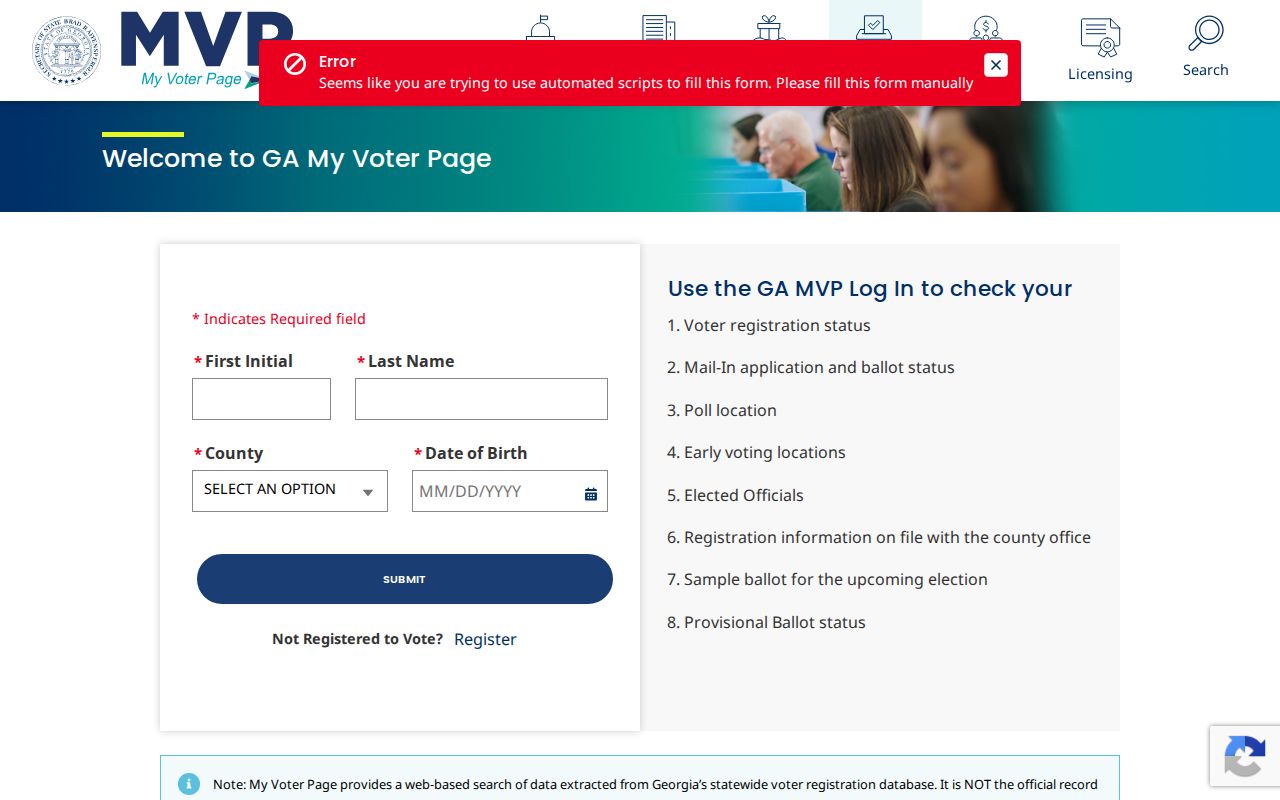
That contrast explains the design. MVP suits a known registrant, while Fulton County list orders follow a separate paid process.
Fulton Open Records Requests
The Georgia Open Records Act, O.C.G.A. §50-18-70 et seq., reaches existing nonexempt agency records. An office normally produces a record within three business days. Otherwise it sends a written timetable, a cost estimate, and the exemption it is citing. The law cannot make an agency build a fresh list or analysis.
Fulton's Open Records Center handles submissions, tracking, file delivery, and staff contact in one place. A strong request names the department, the record type, the subject or address, and a date range. Court custodians sit outside this channel. Route any docket request to the clerk who holds the file.
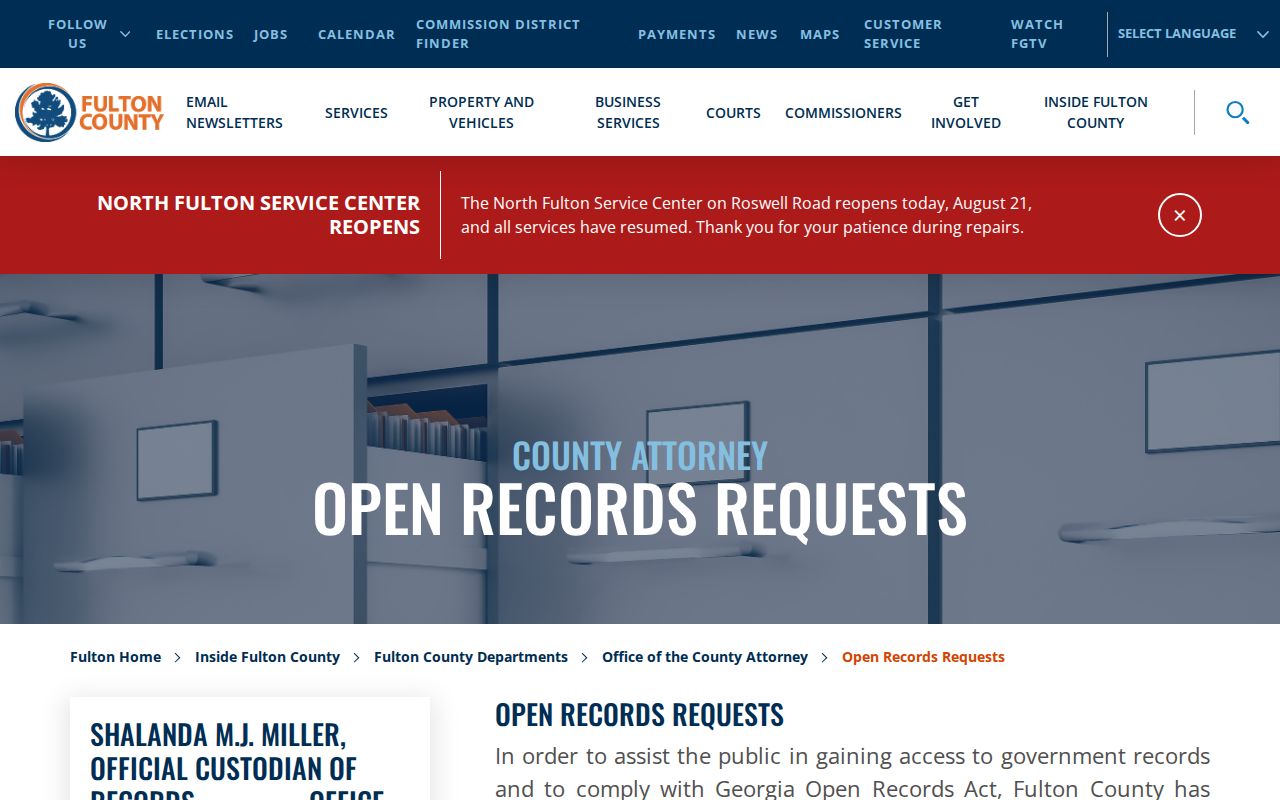
The portal's routing and tracking shine with a defined record. A custom report falls outside what it can deliver.
Business Names in Fulton Records
A business address can help separate same-named people in the Fulton County residents directory. Be careful, though. It may be a registered office rather than a home. The Georgia Business Search shows an entity's legal name, control number, status, formation details, principal office, registered agent, and filing history. Fulton Clerk trade-name filings add the local DBA layer on top.
Professional license searches work similarly. They confirm a public credential, its status, issue or expiration dates, and any discipline links. That establishes a role or affiliation. It does not establish where the person lives now.
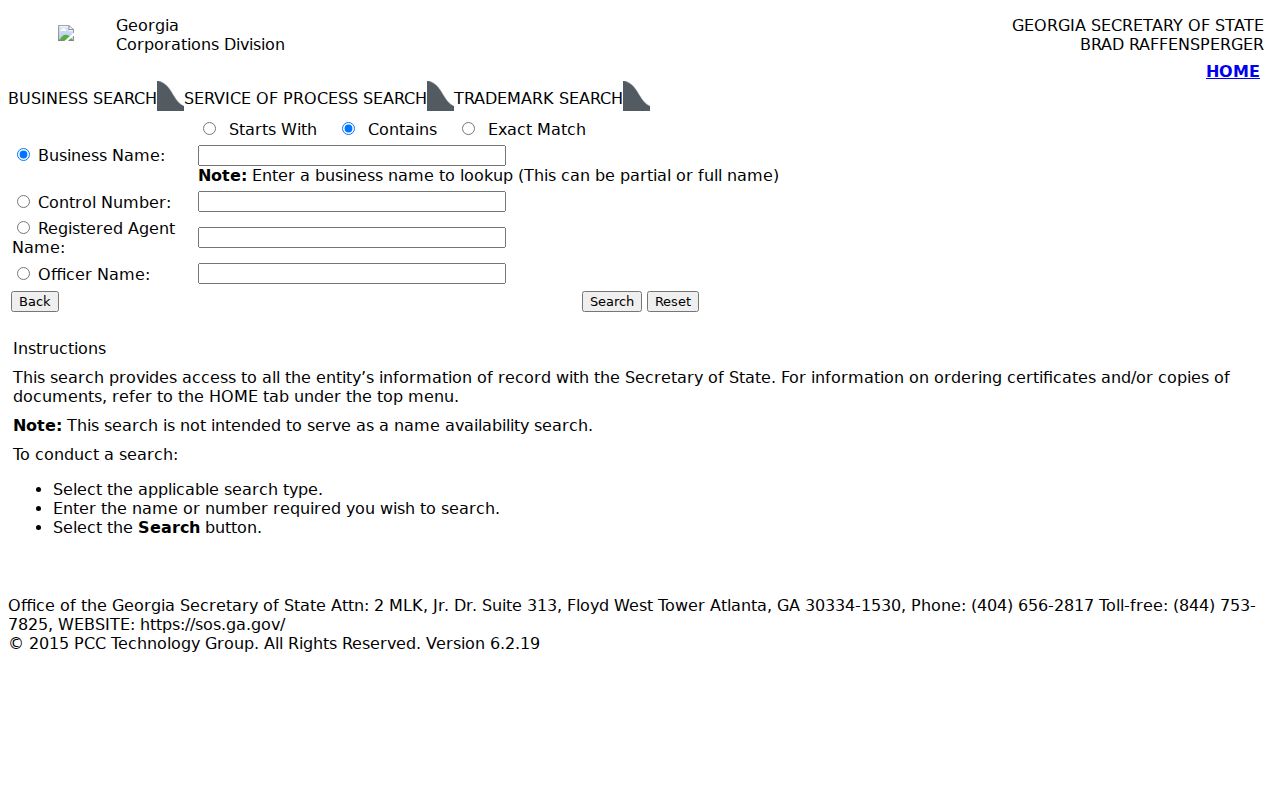
Treat the entity screen as one clue. Its dates and addresses carry the most weight against another dated Fulton record.
Two Sources for Fulton Names
Fulton's sheer scale invites same-name mistakes. Compare at least two independent attributes before concluding a match. A middle initial, age or birth year, spouse, business link, parcel number, filing date, or precise geography will do. Atlanta street directions matter as well. NE, NW, SE, and SW are not optional flourishes. The many Peachtree street names can also produce convincing false matches.
- Roll
- An official list maintained for a public purpose, such as property assessment or voting.
- Index
- A finding aid that points to a deed or case; it is not always the complete document.
- Parcel
- A mapped unit of taxable land identified by a stable county number.
- Criss-cross directory
- A directory arranged by street address or phone number rather than only by surname.
Use Fulton resident records only for lawful personal research. Protected addresses, restricted certificates, and sealed cases must stay protected, and no record should be used to harass or harm anyone.
Fulton Vital Records Are Restricted
Birth, death, marriage, and divorce records do not form an open Fulton County residents directory. Georgia birth certificates require a direct and tangible interest under O.C.G.A. §31-10-26. Eligible relatives, or anyone showing a qualifying interest, may order death certificates. The public can request a plain-paper copy with the Social Security number redacted. State birth and death holdings begin in January 1919.
Custody depends on the event. The Fulton County Board of Health and Georgia Department of Public Health issue birth and death records. Fulton Probate Court keeps marriage licenses, while Superior Court holds divorce files. State marriage holdings cover applications and certificates from June 1952 through August 1996, plus verification records beginning January 1, 2014. Other years go to Probate Court. Current DPH guidance lists $25 for a birth or death search. It lists $10 for a marriage search.
Online ordering is only one channel among several. Eligible applicants can follow DPH mail or counter procedures instead. They should bring the identity and relationship proof the certificate requires. An index or verification confirms an event happened. A certified copy carries the custodian's formal authentication.
Fulton Records Before 1932
Present county lines can hide an older resident trail. Fulton County was created from DeKalb County in 1853. A person or parcel documented before that date may sit under DeKalb catalog terms instead. Milton County merged into Fulton in 1932, shifting the provenance of north-county records. Campbell County merged that same year, affecting research in south Fulton.
Atlanta's boundaries shifted through annexation, and postal labels did not always track municipal limits. A modern Atlanta mailing address can sit in DeKalb County. It can also sit in Sandy Springs, East Point, or other postal territory. Confirm the current parcel jurisdiction first. Then search the office that held authority when the older record was created. That habit prevents a false conclusion. A family can seem to vanish when only the catalog label changed.
The Georgia Archives, county deed books, Central Library collections, and historical maps form the fallback. Use them when a modern online portal stops. Federal census schedules add household structure, though the 1890 population census was largely destroyed nationwide. Directories and property records can bridge the gap between the public 1880 and 1900 schedules.
Official Fulton Rolls Versus Profiles
Official records and commercial people-finding profiles answer different questions. A Fulton parcel card has a named custodian, fixed fields, and a date. A recorded deed points to a retrievable instrument. A court docket ties a party role to a case number. Commercial profiles blend government and marketing data. They do not always reveal the source or date behind each claim.
| Source type | Strongest use | Main limit |
|---|---|---|
| Official Fulton roll | Confirm a specific dated fact | Covers only the roll's legal purpose |
| Library directory | Place a named past occupant in a year | May omit people or abbreviate names |
| Commercial profile category | Supply an unverified lead | Can be stale, merged, or inferred |
Pick the source with the cleanest custody. Record the date, the exact name, and the parcel or case key. Note the route you used to pull it.
When two records disagree, resist the urge to split the difference. Ask which office held responsibility. Ask which date each entry describes. Ask whether the address marks a home, a mailing address, a registered office, or a situs. Those distinctions usually settle the conflict without guesswork.
Note: An official index can still carry errors. Confirm any high-stakes fact with the custodian and the underlying document.
Historical Fulton County Directories
Central Library Special Collections keeps Atlanta city directories running from 1859-1860 through 1991. Suburban volumes run from 1953 to 1986. Haines Criss-Cross editions span 1946 through 2016-2017. A directory entry can tie a name to an address. It may also list a spouse notation, an occupation, or a nearby street sequence. The older volumes also catch address changes that a modern parcel search leaves unexplained.
Special Collections welcomes walk-ins. Staff field questions at Library.SpecColl@fultoncountyga.gov. Research reaching back before Fulton County formed in 1853 may point to DeKalb records instead. North and south Fulton work before the 1932 mergers can shift to Milton or Campbell County catalog terms. The full shelf, abbreviation rules, census pairing, and map methods are laid out in the Fulton County city directory.
The county's record trail is broad, but it is no single master list. Dates, roles, and jurisdiction keep each result in its place.